 +91 9326352313
  veltacfacade@gmail.com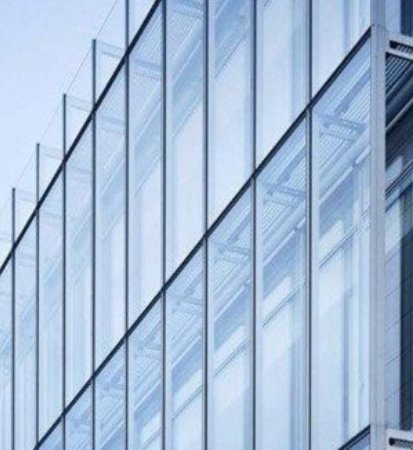
A curtain wall system is an outer covering of a building in which the outer walls are non-structural, but merely keep out the weather. As the curtain wall is non-structural it can be made of a lightweight material reducing constructions costs. When glass is used as the curtain wall, a great advantage is that natural light can penetrate deeper within the building. The curtain wall facade does not carry and dead load weight from the building other than its own dead load weight from the building other than its own dead load weight. The wall transfer horizontal wind loads that are incident upon it to the main building structure through connections at floors or columns of the building. A curtain wall is designed to resist air and water infiltration, sway induced by wing and seismic forces acting on the building, and its own dead load weight forces.
A curtain wall system is an outer covering of a building in which the outer walls are non-structural, but merely keep out the weather. As the curtain wall is non-structural it can be made of a lightweight material reducing constructions costs. When glass is used as the curtain wall, a great advantage is that natural light can penetrate deeper within the building. The curtain wall facade does not carry and dead load weight from the building other than its own dead load weight from the building other than its own dead load weight. The wall transfer horizontal wind loads that are incident upon it to the main building structure through connections at floors or columns of the building. A curtain wall is designed to resist air and water infiltration, sway induced by wing and seismic forces acting on the building, and its own dead load weight forces.
Curtains wall differ from store-front systems in that they are designed to span multiple floors, and take into consideration design requirements such as: thermal expansion and contraction; building sway and movement; water diversion; and thermal efficiency for cost-effective heating, cooling, and lighting in the building.